

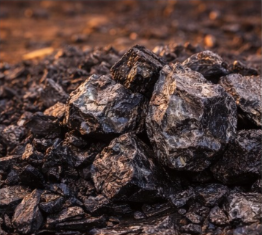
1. Overview of Pakistan’s Coal Sector
Pakistan possesses significant coal reserves, estimated at around 185 billion tons, primarily located in Sindh (Thar Coalfield), Balochistan, and parts of Punjab (Salt Range). These reserves include lignite, sub-bituminous, and bituminous coal, making coal a key domestic energy and industrial input.
Coal is widely used in power generation, cement production, steel manufacturing, brick kilns, and industrial heating, making it an essential part of Pakistan’s industrial supply chain.
2. Major Coal Sources in Pakistan
Coal sourcing in Pakistan is based on both domestic mining and imports.
a) Domestic Coal Fields
- Thar Coal (Sindh): One of the largest lignite coal reserves in the world, mainly used for power plants.
- Lakhra, Sonda, Indus East (Sindh): Medium to low-grade coal for industrial fuel.
- Duki, Mach, Quetta (Balochistan): Higher-quality coal used in cement and industrial boilers.
- Salt Range (Punjab): Bituminous coal used in brick kilns and small industries.
b) Imported Coal
Many industrial users also rely on imported coal from countries such as:
- Indonesia
- South Africa
- Other international suppliers
Imports are preferred when higher calorific value or consistent quality is required for cement plants, steel mills, and large thermal units.
3. Industrial Supply Chain Structure
The coal supply system in Pakistan typically includes:
Mining & Extraction
Coal is extracted through both surface and underground mining methods, depending on the region and coal type.
Processing & Sorting
Raw coal is sorted, washed, and sometimes blended to meet industrial specifications such as:
- Calorific value
- Moisture content
- Ash percentage
Transportation
Coal is transported via:
- Trucks (mine-to-industry delivery)
- Rail networks (bulk movement)
- Port logistics (for imports)
Distribution to Industries
Key industrial consumers include:
- Cement plants (largest consumer segment)
- Steel manufacturing units
- Brick kiln industry
- Thermal power plants
- Textile and chemical industries (for process heat)
4. Key Industrial Applications
Coal remains a critical input in Pakistan’s industrial economy:
- Power generation: Fuel for thermal power plants
- Cement industry: High-temperature kiln operations
- Steel production: Metallurgical processes
- Brick kilns: Seasonal and continuous firing
- Industrial boilers: Heat generation for manufacturing
5. Role of Coal Suppliers and Trading Companies
Pakistan’s coal supply chain includes:
- Mining companies operating in Sindh, Balochistan, and Punjab
- Trading firms and distributors handling domestic and imported coal
- Logistics providers managing bulk transport and storage
Companies often ensure:
- Continuous bulk supply contracts
- Quality control and laboratory testing
- Custom coal blending for industrial efficiency
- Import handling and port clearance
6. Challenges in Coal Sourcing and Supply
Despite strong demand, the sector faces several challenges:
- Low calorific value of much domestic lignite coal
- Infrastructure limitations in mining regions
- Price volatility of imported coal
- Transport and logistics constraints
- Environmental and regulatory pressures
7. Growth Potential and Industrial Outlook
The coal sector in Pakistan is expanding due to:
- Rising energy demand
- Expansion of cement and construction industries
- Development of Thar coal-based power projects
- Increasing private sector involvement in mining and supply chains
With improved mining technology and logistics, coal sourcing is expected to become more efficient and integrated with industrial growth.
Conclusion
Coal sourcing in Pakistan is a dual system of domestic mining and international imports, supporting a wide range of industries. It remains a backbone of the country’s industrial supply chain, especially in cement, power generation, and heavy manufacturing sectors.

A WordPress Commenter
Hi, this is a comment.
To get started with moderating, editing, and deleting comments, please visit the Comments screen in the dashboard.
Commenter avatars come from Gravatar.