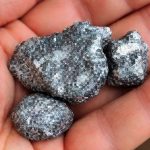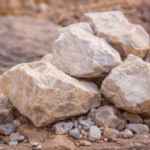

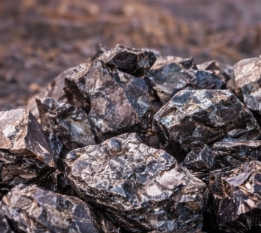
Pakistan is a significant source of chromite ore, a key mineral used in the production of stainless steel, ferrochrome alloys, refractory materials, and chemical industries. The country’s chromite deposits are mainly concentrated in Balochistan, making it one of the most important mineral export commodities from the region.
Chromite from Pakistan is known for its relatively good Cr₂O₃ (chromium oxide) content, making it suitable for both metallurgical and industrial applications.
2. Major Chromite Producing Areas
Pakistan’s chromite production is centered in mineral-rich belts:
a) Balochistan (Primary Source)
- Muslim Bagh (Killa Saifullah)
- Khanozai
- Bostan
- Chagai region
These areas produce the highest quality chromite ore, widely used for export and industrial processing.
b) Other Regions
- Malakand (Khyber Pakhtunkhwa) – smaller deposits
- Waziristan belt – limited production zones
3. Chromite Mining and Extraction Process
Chromite sourcing in Pakistan involves traditional and semi-mechanized mining methods:
- Exploration & Surveying: Geological mapping of ore veins
- Open-pit and underground mining: Depending on ore depth
- Manual sorting: Separation of high-grade ore from waste rock
- Crushing & sizing: Preparation for export and industrial use
- Quality testing: Cr₂O₃ content and impurity analysis
4. Supply Chain and Export Structure
The chromite supply chain typically includes:
Mining Operations
Small to medium-scale mining companies and local contractors extract ore from licensed mines.
Aggregation & Trading
Local traders collect and grade chromite into export-quality lots based on:
- Cr₂O₃ percentage
- Lump size
- Moisture content
- Impurity levels (silica, iron ratio)
Transportation
- Trucking from mines to processing hubs
- Transfer to Karachi or Gwadar ports for export
Export Markets
Pakistan exports chromite mainly to:
- China (largest importer)
- Europe (steel and alloy industries)
- Middle East (industrial processing units)
- South Korea and other Asian markets
5. Industrial Applications of Chromite
Chromite from Pakistan is used in multiple industries:
- Stainless steel production (ferrochrome manufacturing)
- Refractory bricks and furnace linings
- Foundry and casting industries
- Chemical industry (chromium compounds)
- Pigments and dyes manufacturing
6. Quality Grades of Pakistani Chromite
Chromite is typically classified based on chromium oxide content:
- High-grade: 45%–55% Cr₂O₃ (export premium grade)
- Medium-grade: 35%–45% Cr₂O₃
- Low-grade: Below 35% (used for blending or domestic use)
High-grade chromite from Balochistan is especially valued in international markets.
7. Export Logistics and Documentation
Exporting chromite from Pakistan involves:
- Mining lease verification
- Quality inspection certificates
- Customs clearance documentation
- Export permits from relevant authorities
- Port handling at Karachi or Gwadar
Efficient logistics are crucial due to the remote location of mining sites.
8. Challenges in Chromite Supply Chain
The sector faces several operational challenges:
- Remote mining locations with limited infrastructure
- Price fluctuations in global ferrochrome markets
- Informal mining and inconsistent grading
- Transport and security constraints in some regions
- Limited local value addition (raw ore export dominance)
9. Growth Potential and Future Outlook
Pakistan’s chromite industry has strong potential due to:
- Rising global demand for stainless steel
- Strategic location near Asian markets
- Untapped mineral reserves in Balochistan
- Opportunities for value-added processing (ferrochrome plants)
Investment in refining, beneficiation, and industrial processing can significantly increase export earnings.
Conclusion
Chromite sourcing and export from Pakistan is a vital part of the country’s mineral economy. With strong reserves in Balochistan and growing international demand, Pakistan remains an important supplier of chromite ore for global industrial markets.